Key Takeaways
- Window tint, paint protection film, ceramic coatings, and wax each serve different purposes.
- Heat rejection depends on film performance, not simply how dark the tint looks.
- Boynton Beach drivers should consider Florida tint requirements before scheduling installation.
- Paint protection should focus first on panels exposed to sand, bugs, highway debris, and daily wear.
- Quality preparation, installation, and aftercare have a major effect on long-term results.
Why Vehicle Protection Needs a Local Plan
In Boynton Beach, a vehicle can spend long stretches under intense South Florida sun, then encounter sudden rain, road spray, salt air, and sandy parking areas near the coast. Choosing window tint and exterior protection is not only about a sharper appearance. It is about making a daily driver more comfortable and helping vulnerable surfaces handle local conditions. Drivers considering ceramic coating for cars in Boynton Beach, FL, should start by identifying whether heat, glare, paint wear, cleanup, or resale appearance is the primary concern.
One product cannot protect every part of a vehicle. Window tint is designed for glass and cabin comfort, while paint protection film is intended to shield painted panels from certain physical hazards. Ceramic coatings and waxes can facilitate easier maintenance, but they do not serve the same function as a film barrier on a front bumper or hood.
Start With How the Vehicle Is Actually Used
A garage-kept weekend vehicle needs a different plan than an SUV parked outside during the workday or a commuter traveling I-95 and local roads every week. Boynton Beach drivers should consider direct sun exposure, highway mileage, beach trips, family use, cargo loading, and whether the vehicle is regularly parked under trees or near construction.
Before comparing products, make a short priority list. Decide whether the most important result is reduced glare, improved privacy, a cooler-feeling cabin, fewer rock chips, easier washing, or better preservation of a newer vehicle’s finish. A clear list prevents spending heavily on protection that does not address the vehicle’s most common source of wear.
Drivers searching for automotive ceramic coating near me can get more useful recommendations by describing their parking habits, driving routes, and cleaning routine instead of requesting a product by name alone.
Understand What Each Protection Option Does
Window Tint
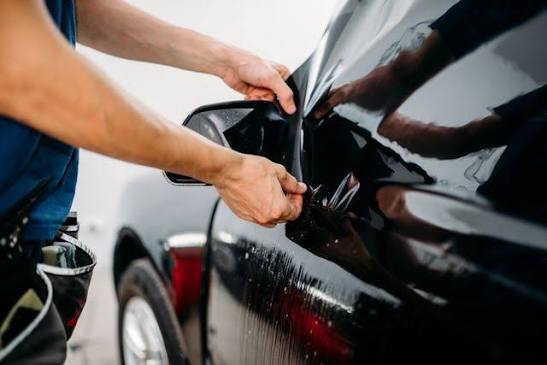
Automotive window tint is a film installed on vehicle glass to manage visible light, glare, and solar heat. It can also provide privacy and help reduce exposure to ultraviolet light inside the cabin. For Boynton Beach drivers, this can be especially useful during long afternoon errands, school pickups, or commutes when sunlight is strongest.
Visible light transmission, commonly abbreviated as VLT, is one of the most important specifications. A lower VLT number generally means a darker finished window, but darker does not automatically mean better heat rejection. Ask about the film’s performance ratings, including infrared heat rejection and UV filtering, rather than choosing solely by shade.
Dyed films are often selected for their appearance and entry-level price. Metalized films may offer heat management, but can create signal-related concerns in some vehicles. Carbon films tend to provide a dark, non-metallic appearance, while ceramic films are commonly chosen for stronger heat performance without relying on metal particles. Nighttime visibility, budget, appearance, and electronic-device compatibility should all factor into the decision.
Paint Protection Film
Paint protection film, often called PPF, is a clear or colored urethane layer applied over painted surfaces. Its central purpose is physical protection from minor chips, bug residue, abrasion, and road debris. It is particularly relevant for the front end of vehicles that frequently travel on highways or pass through areas with loose gravel, active landscaping, or construction traffic.
Full-vehicle coverage is not the only approach. A practical first stage may include the front bumper, leading edge of the hood, front fenders, side mirrors, rocker panels, door cups, and rear loading area. A family SUV may benefit from extra protection around door handles and liftgate edges, while a highway commuter may prioritize the bumper, hood, and mirrors.
Ceramic Coatings and Wax
Ceramic coatings create a protective surface layer that can improve gloss, make routine washing easier, and encourage water to bead or sheet away. They are useful for vehicles exposed to pollen, rain spots, insects, and grime, but they are not a substitute for PPF where impact resistance is the goal. Wax can add short-term shine and some protection, though it usually requires more frequent reapplication.
A coating and paint protection film can sometimes be used together when the vehicle is properly washed, decontaminated, and corrected before installation. Still, no coating, wax, or film can prevent every scratch, dent, stain, or damage caused by a collision. Realistic expectations are part of a sound protection plan.
Check Florida Tint Rules Before Installation
Tint decisions should always begin with compliance. The Florida statute covering front side windows states that the finished glass and sunscreening material must allow at least 28 percent visible light transmittance, with limits on reflectivity as well. Because factory glass already has its own tint, the final measurement can differ from the film specification alone.
Front-side windows, rear-side windows, rear glass, and the windshield are treated differently. For example, a 2025 overview of Florida tint law guidance explains that rear-window limits can vary by vehicle type, while windshield tint is limited to the area above the AS-1 line or a specified upper portion of the glass. Rules can change, so confirm the applicable requirements before work begins and retain film documentation or any qualifying medical-exemption paperwork.
Ask Better Questions Before Choosing an Installer
Results depend heavily on preparation and installation quality. Ask which film type fits your vehicle, how curved glass, sensors, trim, and edges are handled, and whether the final tint will be checked for legal VLT. For paint protection, ask which panels are recommended first, whether paint correction is needed, and how seams or wrapped edges will be managed.
Warranty details also deserve close attention. Ask what is covered if film bubbles, lifts, peels, discolors, or develops visible defects. Request written care instructions, including how long to wait before washing, which cleaners to avoid, and whether rough towels or automatic washes could shorten the material’s lifespan.
Common Mistakes to Avoid
- Choosing tint strictly because it looks dark from the outside.
- Ignoring factory glass when estimating finished VLT.
- Applying exterior protection without thorough surface preparation.
- Using abrasive towels, harsh chemicals, or neglected wash tools.
- Washing fresh film too soon after installation.
- Assuming all films, coatings, and warranties provide the same level of protection.
- Covering every panel at once without a budget for proper installation and future maintenance.
A Simple 2026 Decision Path for Boynton Beach Drivers
- Identify the main issues, such as heat, glare, privacy, chips, staining, or difficulty cleaning.
- Review Florida’s applicable tint rules before selecting a shade.
- Choose a tint based on performance specifications, not darkness alone.
- Protect the painted areas that receive the most debris and contact.
- Review warranty terms, maintenance needs, and realistic limitations.
- Inspect completed work in daylight before accepting the vehicle.
A well-planned combination of legal window tint, targeted paint protection, careful preparation, and regular washing can help Boynton Beach vehicles stay more comfortable and easier to maintain through the heat, rain, and coastal conditions that define everyday driving in South Florida.