In the realm of commercial kitchens and food establishments, the management of grease and oil waste is a critical aspect of daily operations. Grease traps, also known as grease interceptors or grease recovery devices, play a pivotal role in preventing fats, oils, and grease (FOG) from entering plumbing systems and causing blockages or environmental damage. Over time, as regulations evolve and kitchens modernize, the question arises: can grease traps be retrofitted or upgraded to meet changing needs and standards? Let’s delve into this topic to explore the possibilities and considerations.
Understanding Commercial Grease Traps
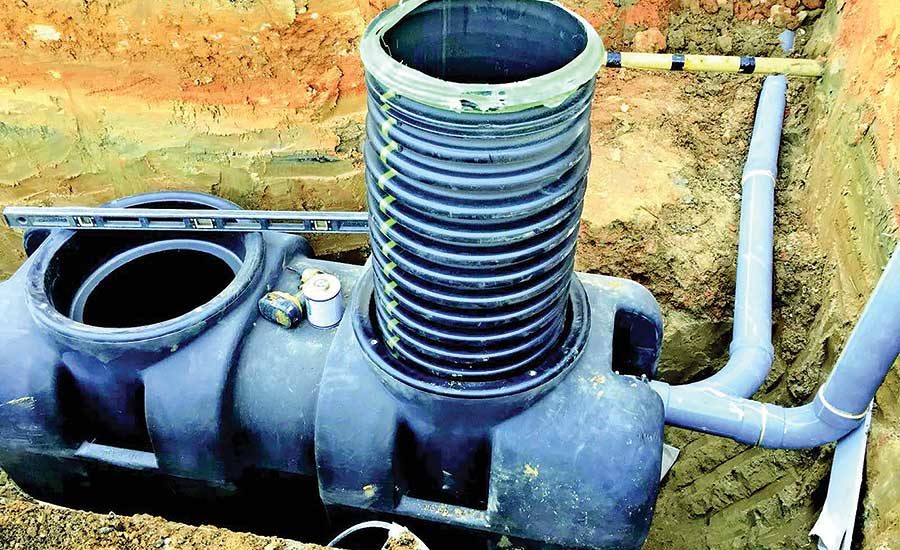
Before diving into retrofitting and upgrading, it’s essential to grasp the basics of commercial grease traps. These devices are designed to intercept FOG, preventing it from entering municipal sewer systems where it can solidify and cause clogs. The typical setup involves a large tank or container that receives wastewater from kitchen sinks and dishwashers. As the water cools, fats and oils solidify and float to the top of the trap, while solids settle at the bottom. The relatively cleaner water flows out, reducing the amount of FOG entering drainage systems.
Grease traps require regular maintenance to function efficiently. This involves periodic cleaning and removal of accumulated FOG and solids. However, over time, older grease traps may become less effective due to wear and tear or changes in usage patterns within the kitchen.
Can Grease Traps Be Retrofitted?
The concept of retrofitting involves modifying or upgrading existing equipment to improve performance or meet new requirements. When it comes to grease traps, retrofitting can indeed be a viable option in certain scenarios.
Upgrading Capacity
One common retrofitting need arises when a kitchen’s wastewater volume increases due to business expansion or changes in operations. Grease traps can be retrofitted to accommodate higher flow rates and volumes. This may involve enlarging the tank or adjusting the trap’s design to handle larger quantities of FOG without compromising efficiency.
Enhancing Efficiency
Technological advancements have led to more efficient grease trap designs. Older traps can often be retrofitted with new components such as advanced baffles, screens, or filtration systems to enhance their efficiency in capturing grease and preventing solids from escaping into drainage systems.
Retrofitting for Compliance
As environmental regulations evolve, grease traps may need to be retrofitted to comply with new standards. This could involve adding monitoring devices, automatic grease removal systems, or improving access for inspection and maintenance.
Considerations for Retrofitting
Before proceeding with a retrofit, it’s crucial to consider several factors:
- Space Constraints: Ensure the existing setup can accommodate any modifications without significant structural changes.
- Regulatory Compliance: Verify that the proposed modifications meet local environmental and plumbing regulations.
- Cost-Effectiveness: Evaluate whether retrofitting is a cost-effective solution compared to replacing the grease trap entirely.
Upgrading Grease Traps
In cases where a grease trap is outdated or no longer meets operational requirements, upgrading to a newer model can be a practical solution. Upgrading offers several advantages:
Improved Performance
Newer grease traps often incorporate innovative features that enhance performance and efficiency. This includes improved separation mechanisms, easier maintenance, and better corrosion resistance.
Enhanced Durability
Upgrading to a modern grease trap can extend its lifespan and reduce maintenance costs over time. New materials and construction techniques offer increased durability and resistance to wear.
Compliance with Standards
Upgrading ensures compliance with the latest environmental and plumbing standards. This is particularly important for businesses operating in regions with stringent FOG regulations.
Types of Upgrades
When considering an upgrade, businesses can explore different types of grease traps based on their specific needs:
- Automatic Grease Removal Systems: These systems use mechanical or chemical processes to automatically remove and collect grease, reducing manual intervention.
- High-Efficiency Designs: Modern grease traps are engineered to achieve higher capture rates and lower maintenance requirements.
- Smart Monitoring Solutions: Some upgraded grease traps feature IoT (Internet of Things) capabilities for real-time monitoring and proactive maintenance.
Maintenance and Longevity
Apart from retrofitting and upgrading, proper maintenance is crucial for the longevity and effectiveness of commercial grease traps. Regular maintenance helps prevent clogs, foul odors, and compliance issues. Here are key maintenance practices:
- Scheduled Cleaning: Grease traps should be cleaned regularly to remove accumulated FOG and solids. The cleaning frequency depends on the trap size and the volume of wastewater generated.
- Scraping and Skimming: The trap should be thoroughly scraped and skimmed to remove grease buildup from the walls and surface during cleaning.
- Inspecting Baffles and Components: Inspect and replace baffles, gaskets, and other components as needed to ensure optimal functioning.
- Proper Disposal: Dispose of removed FOG and solids according to local regulations. Improper disposal can lead to environmental pollution and legal repercussions.
- Training Staff: Educate kitchen staff about the importance of proper waste disposal and how it impacts the performance of grease traps.
Environmental Considerations
Managing FOG is not just a matter of operational efficiency but also environmental responsibility. Improperly managed grease can cause pollution and harm aquatic ecosystems. By retrofitting or upgrading grease traps, businesses contribute to environmental sustainability by reducing their impact on local water systems.
Innovations in Grease Trap Technology
Recent advancements in grease trap technology have led to more efficient and eco-friendly solutions. Some notable innovations include:
- Bioremediation Systems: Grease traps equipped with bioremediation technology use natural microorganisms to break down FOG, reducing the need for manual cleaning and disposal.
- Grease-to-Energy Systems: Certain systems convert collected grease into biodiesel or other forms of energy, providing a renewable resource while reducing waste.
- Smart Monitoring and Automation: IoT-enabled grease traps can automatically alert operators when maintenance is required, optimizing performance and reducing downtime.
Choosing the Right Solution
When deciding whether to retrofit or upgrade a grease trap, businesses should consider their specific operational needs, budget constraints, and long-term goals. Consulting with industry experts or environmental consultants can provide valuable insights into the most suitable solution for each unique situation.
Cost Analysis
While upgrading to a new grease trap may involve a significant upfront cost, it’s essential to consider the long-term savings and benefits. Modern grease traps are designed to be more efficient, requiring less frequent cleaning and maintenance, which can result in cost savings over time.
Regulatory Compliance
Businesses operating in regions with strict FOG regulations must ensure their grease traps comply with local laws and standards. Upgrading or retrofitting may be necessary to meet these requirements and avoid fines or penalties.
Conclusion
In conclusion, grease traps used in commercial settings can indeed be retrofitted or upgraded to adapt to changing requirements and regulations. Whether it involves increasing capacity, enhancing efficiency, or complying with standards, retrofitting and upgrading offer viable solutions to extend the lifespan and functionality of grease traps. However, businesses need to assess their specific needs and consult with professionals to determine the most appropriate course of action. By staying proactive and informed, food establishments can effectively manage FOG waste while maintaining operational efficiency and environmental responsibility.
Remember, maintaining your commercial grease trap is essential for keeping your kitchen running smoothly and meeting regulations. If you’re considering a retrofit or upgrade, consult with professionals to determine the best solution for your specific needs and ensure compliance with local standards.