Storage tanks are a fundamental component of various industries and infrastructures, playing a vital role in storing liquids or gases for a wide range of purposes. From industrial processes to residential and commercial applications, storage tanks serve to store, process, and distribute substances efficiently and safely. This comprehensive guide will delve deeper into the diverse uses, types, innovations, environmental considerations, and maintenance practices associated with storage tanks.
Understanding Storage Tanks
A storage tank is a container designed to hold liquids or gases at atmospheric pressure or under pressure. These tanks vary in size, shape, and material based on the substance being stored and the specific requirements of the industry. The primary function of a storage tank is to provide a safe and secure means of storing substances until they are needed for use or distribution.
Industrial Applications
Oil and Gas Industry:
- Crude Oil Storage: Large storage tanks are used to store crude oil extracted from oil wells before it is refined.
- Refined Product Storage: Tanks store refined petroleum products like gasoline, diesel, and jet fuel before distribution.
- Natural Gas Storage: Tanks hold natural or liquefied natural gas (LNG) before being transported via pipelines or ships.
Chemical Industry:
- Raw Material Storage: Tanks store chemicals used in manufacturing processes.
- Product Storage: Finished chemical products are often stored in specialized tanks to await distribution.
Water Treatment:
- Potable Water Storage: Large tanks store clean drinking water for municipal supply or emergency reserves.
- Wastewater Treatment: Tanks hold wastewater for treatment processes before disposal.
Food and Beverage:
- Brewing and Distilling: Tanks store ingredients, mash, and finished products like beer or spirits.
- Food Processing: Tanks store raw materials, processed ingredients, or final products.
Commercial and Residential Uses
- Propane and Heating Oil: Tanks are used to store fuels like propane and heating oil for residential heating systems.
- Rainwater Harvesting: Water storage tanks collect rainwater for irrigation, landscaping, or non-potable uses.
- Septic Systems: Tanks hold wastewater in septic systems before it’s treated and drained.
Types of Storage Tanks
Above-Ground Tanks:
- Steel Tanks: Common for storing petroleum products and chemicals.
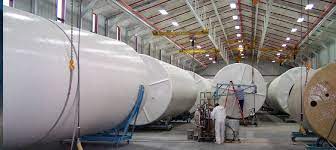
- Fiberglass Tanks: Used for corrosive materials due to their resistance to chemicals.
- Concrete Tanks: Often used for water storage in municipal or agricultural settings.
Underground Tanks:
- Steel Tanks: Buried underground for storing fuels and hazardous materials.
- Plastic Tanks: Lightweight and corrosion-resistant, used for water or chemical storage.
Pressurized Tanks:
- Compressed Gas Tanks: Store gases like oxygen, nitrogen, or hydrogen under pressure for industrial or medical use.
- Liquefied Gas Tanks: Hold liquefied gases like propane or LNG under pressure for storage and transport.
Transport Tanks:
- Tanker Trucks: Used for transporting liquids like fuel, chemicals, or food products.
- Railcar Tanks: Store and transport large quantities of liquids or gases by rail.
Importance of Storage Tanks
- Safety: Proper storage minimizes the risk of spills, leaks, or accidents.
- Efficiency: Allows for bulk storage and controlled distribution of substances.
- Resource Management: Enables strategic management of resources like water, fuels, or chemicals.
- Environmental Protection: Prevents soil, water, or air contamination by safely containing hazardous materials.
Innovations in Storage Technology
Modern storage tanks continue to evolve with advancements in materials, design, and safety features:
- Smart Monitoring: IoT-enabled sensors provide real-time monitoring of tank levels, temperature, and pressure.
- Environmental Controls: Enhanced containment systems and leak detection technologies improve environmental protection.
- Material Innovations: Development of new materials for increased durability, corrosion resistance, and reduced maintenance.
Environmental Considerations
The use and maintenance of storage tanks also raise important environmental considerations:
- Leak Prevention: Regular inspection and maintenance are crucial to prevent leaks that can contaminate soil and groundwater.
- Spill Containment: Tanks should be equipped with spill containment systems to minimize environmental impact in case of accidents.
- Emissions Control: Proper venting and emission control systems are necessary to prevent air pollution.
- Resource Conservation: Efficient storage and distribution systems help conserve valuable resources like water and energy.
Maintenance Practices
Proper maintenance is essential to ensure the longevity and safety of storage tanks:
- Regular Inspections: Routine inspections identify signs of corrosion, leaks, or structural issues.
- Cleaning and Repairs: Tanks should be cleaned periodically to remove sediment or residue, and any necessary repairs should be conducted promptly.
- Safety Protocols: Implementing safety protocols and emergency response plans minimizes risks associated with storage tank operations.
Conclusion
Storage tanks are integral to modern industry and infrastructure, enabling safe and efficient storage of liquids and gases across diverse sectors. From petrochemicals to potable water, these tanks play a crucial role in resource management, environmental protection, and maintaining essential services. As technology advances, storage tank systems continue to evolve, becoming more efficient, reliable, and environmentally friendly.
In summary, the versatility and importance of storage tanks underscore their significance in our daily lives, supporting essential functions and industries while ensuring the safe handling and storage of valuable resources. Whether in industrial complexes, residential areas, or remote locations, storage tanks play a critical role in facilitating economic activities while safeguarding the environment and public health. Their continued development and innovation will further enhance their utility and sustainability in the years to come.