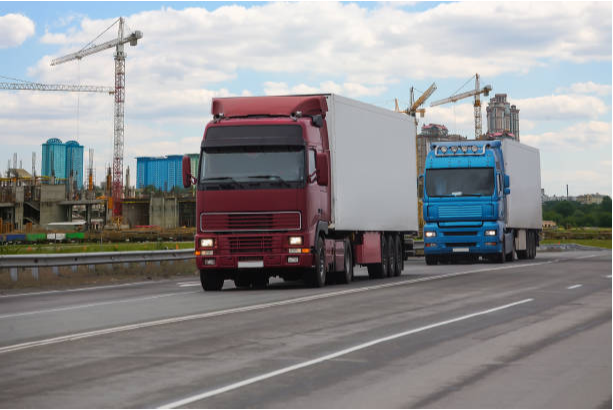
Flag car services play a vital role in ensuring safe and efficient transport across the highways and byways of Arkansas. These vehicles, equipped with warning flags and flashing lights, accompany oversized loads to alert other motorists and ensure the smooth passage of cargo.
This article explores the essential role of flag car services in Arkansas, delving into their responsibilities, regulations, and contributions to road safety.
Understanding Flag Car Services
Flag car services in Arkansas are a crucial component of transportation logistics, particularly for oversized or overweight loads that require special handling on the road. This article provides an in-depth exploration of flag car services, including their role, responsibilities, and significance in ensuring safe transport.
What are Flag Car Services?
Flag car services, also known as pilot car services or escort vehicle services, involve the use of specially designated vehicles to accompany oversized or overweight loads during transport. These vehicles typically travel ahead of or behind the oversized load, alerting other motorists to the presence of the large cargo and ensuring safe passage along the route.
The Role of Flag Car Drivers
Flag car drivers play a vital role in ensuring the safety of oversized loads and other road users. Their responsibilities include:
- Warning Other Motorists: Use warning flags, flashing lights, and other signaling devices to alert motorists to the presence of the oversized load. This helps prevent accidents and ensures that other drivers can safely navigate around the large cargo.
- Directing Traffic: Assisting with traffic control at intersections, construction zones, and other areas where the oversized load may require special maneuvering. Flag car drivers help ensure the smooth flow of traffic and minimize disruptions along the route.
- Communicating with Load Drivers: Maintaining constant communication with the driver of the oversized load to coordinate movements and address any safety concerns. This ensures that the flag car and the load vehicle can work together effectively to navigate the road safely.
- Navigating the Route: Familiarize themselves with the planned route and identify potential obstacles or hazards that may need to be addressed. Flag car drivers must be prepared to adapt to changing road conditions and make split-second decisions to ensure the safety of the oversized load.
Regulations and Requirements
Flag car services are subject to regulations and requirements to ensure the safe transport of oversized loads. These may include:
Licensing and Certification
Flag car drivers are typically required to hold a valid commercial driver’s license (CDL) and undergo specialized training to operate flag cars. Additionally, flag car companies may need to obtain permits and adhere to regulations governing the transportation of oversized loads.
Equipment Standards
Flag cars must be equipped with specific safety equipment, including warning flags, flashing lights, reflective signage, and communication devices. These requirements are designed to enhance visibility and ensure that the flag car is easily identifiable to other motorists on the road.
Contributions to Road Safety
Flag car services play a crucial role in enhancing road safety and minimizing the risks associated with transporting oversized loads. Their contributions include:
Minimizing Traffic Disruptions
By alerting other motorists to the presence of oversized loads and assisting with traffic control, flag car services help minimize disruptions and congestion on the road. This ensures the smooth flow of traffic and reduces the likelihood of accidents or delays caused by oversized loads.
Preventing Collisions and Accidents
Flag cars serve as a crucial safety buffer between oversized loads and other vehicles on the road. Their presence helps prevent collisions and accidents by providing advance warning to motorists and ensuring that the oversized load can safely navigate through traffic.
Protecting Infrastructure
Oversized loads can pose a risk to bridges, overpasses, and other infrastructure if not properly escorted. Flag car services help protect infrastructure by ensuring that oversized loads are safely transported along approved routes that can accommodate their size and weight.
Regulations Governing Flag Car Services
Licensing and Certification
In Arkansas, flag car drivers are required to hold a valid commercial driver’s license (CDL) and undergo specialized training to operate flag cars. Additionally, flag car companies must obtain permits and adhere to regulations governing the transportation of oversized loads.
Equipment Requirements
Flag cars must be equipped with specific safety equipment, including warning flags, flashing lights, reflective signage, and communication devices. These requirements are designed to enhance visibility and ensure that the flag car is easily identifiable to other motorists on the road.
Route Planning and Coordination
Before transporting an oversized load, flag car drivers must carefully plan the route and coordinate with relevant authorities, such as state transportation departments and law enforcement agencies. This ensures that the route is suitable for the size and weight of the cargo and that any potential obstacles or restrictions are addressed in advance.
Contributions to Road Safety
Minimizing Traffic Disruptions
By alerting other motorists to the presence of oversized loads and assisting with traffic control, flag car services help minimize disruptions and congestion on the road. This ensures the smooth flow of traffic and reduces the likelihood of accidents or delays caused by oversized loads.
Preventing Collisions and Accidents
Flag cars serve as a crucial safety buffer between oversized loads and other vehicles on the road. Their presence helps prevent collisions and accidents by providing advance warning to motorists and ensuring that the oversized load can safely navigate through traffic.
Protecting Infrastructure
Oversized loads can pose a risk to bridges, overpasses, and other infrastructure if not properly escorted. Flag car services help protect infrastructure by ensuring that oversized loads are safely transported along approved routes that can accommodate their size and weight.
Conclusion
In conclusion, flag car services play a vital role in ensuring safe and efficient transport of oversized loads on the roads of Arkansas. By providing advance warning to motorists, assisting with traffic control, and coordinating the movement of oversized loads, flag car drivers help minimize risks and ensure the smooth passage of cargo.
As an essential component of the transportation industry, flag car services contribute to road safety and help facilitate the movement of goods and materials across the state.