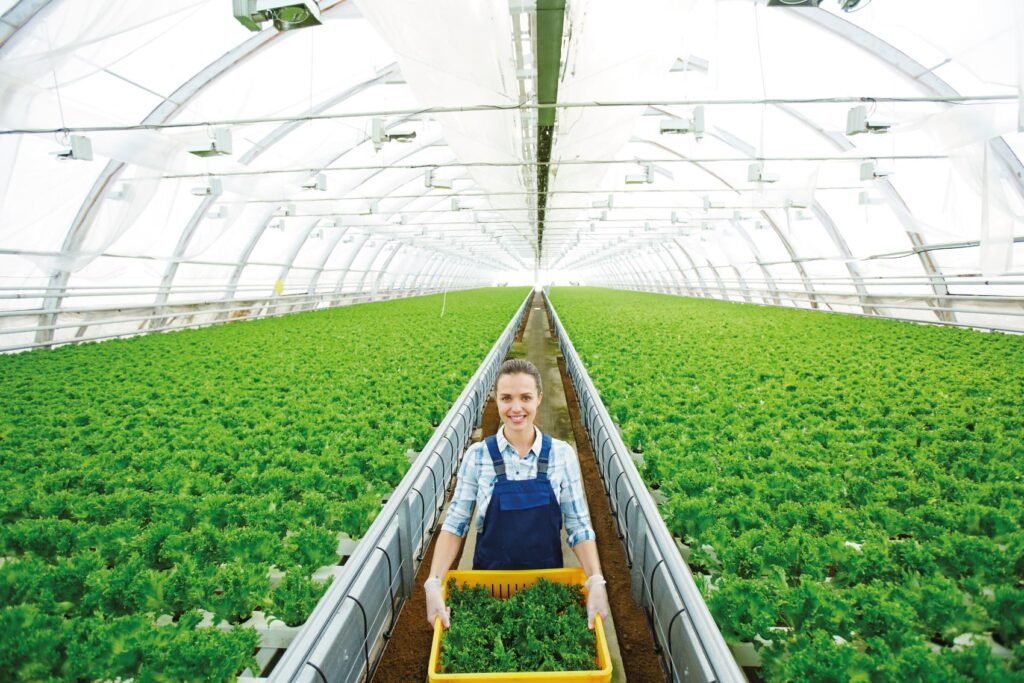
In the quest for sustainable agriculture, greenhouses have emerged as transformative sanctuaries where innovation meets environmental consciousness. These structures, once mere shelters for delicate plants, now represent a beacon of hope in the face of climate change, resource scarcity, and food insecurity. This article delves into the world of greenhouses, exploring their evolution, benefits, and their pivotal role in shaping the future of farming.
Evolution of Greenhouses:
The concept of greenhouses dates back centuries, with roots tracing to Roman times when Emperor Tiberius enjoyed cucumbers year-round. However, it wasn’t until the 17th century in Europe that the modern greenhouse began to take shape, fueled by advancements in glass production. These early structures provided aristocrats with exotic fruits and plants, but it wasn’t until the 19th century that commercial greenhouse farming gained traction. From rudimentary glass structures to today’s high-tech marvels, greenhouses have undergone a remarkable evolution, driven by scientific discoveries, technological innovations, and a growing awareness of environmental sustainability.
Types of Greenhouses:
Greenhouses come in various shapes and sizes, each designed to optimize growing conditions for specific crops and climates. Traditional glasshouses remain prevalent, offering ample sunlight and insulation for temperate crops. Polyethylene tunnels, on the other hand, provide a cost-effective solution for small-scale and seasonal cultivation. Meanwhile, high-tech structures equipped with automated climate control systems, hydroponic setups, and LED lighting are revolutionizing commercial agriculture, enabling year-round production of crops in virtually any environment. Additionally, innovative designs such as geodesic domes and vertical farms are pushing the boundaries of greenhouse technology, maximizing space efficiency and sustainability.
Environmental Benefits:
One of the primary advantages of greenhouses lies in their ability to mitigate environmental impact. By creating a controlled microclimate, these structures reduce water usage, minimize pesticide and fertilizer runoff, and mitigate soil erosion. Moreover, the integration of renewable energy sources such as solar panels and geothermal heating further enhances their eco-friendly credentials, making them a cornerstone of sustainable agriculture. Additionally, greenhouses facilitate the adoption of organic farming practices, promoting biodiversity and reducing reliance on synthetic inputs, thereby safeguarding ecosystems and pollinators.
Maximizing Crop Yields:
Greenhouses offer a conducive environment for maximizing crop yields and quality, irrespective of external conditions. Through precise control of temperature, humidity, light, and CO2 levels, farmers can optimize plant growth cycles, accelerate seed germination, and extend growing seasons. This not only increases productivity but also allows for the cultivation of high-value crops that are otherwise challenging to grow in certain regions. Furthermore, greenhouses provide protection against adverse weather events such as storms, frosts, and heatwaves, shielding crops from damage and ensuring consistent harvests year-round. You may wonder what do termites look like and how do you get rid of them?
Addressing Food Security:
In a world grappling with food insecurity, greenhouses present a viable solution to bolstering agricultural resilience and ensuring a steady food supply. By decentralizing production and bringing farming closer to urban centers, greenhouses reduce transportation costs and food miles, thereby minimizing carbon emissions and food wastage. Additionally, their scalability and adaptability make them ideal for addressing the needs of diverse communities, from remote villages to densely populated cities. Moreover, the integration of aquaponics and vertical farming techniques within greenhouses further enhances their efficiency, enabling the cultivation of a wide range of nutritious foods in limited spaces.
Challenges and Future Outlook:
Despite their numerous benefits, greenhouses are not without challenges. High upfront costs, energy consumption, and technical expertise required for operation pose barriers to entry for small-scale farmers. Moreover, the reliance on fossil fuels for heating and cooling raises concerns about carbon emissions and long-term sustainability. However, ongoing research and development efforts are focused on overcoming these challenges through the adoption of renewable energy sources, improved insulation materials, and advanced automation technologies. As a result, the future of greenhouses appears promising, with innovations such as vertical farming, aquaponics, and integrated pest management poised to further revolutionize agricultural practices and address global food security challenges.
In a world facing unprecedented environmental challenges, greenhouses offer a ray of hope for sustainable agriculture. From their humble origins to their modern-day incarnations, these structures have evolved into dynamic hubs of innovation, productivity, and environmental stewardship. By harnessing the power of technology and nature, greenhouses are not only transforming the way we grow food but also paving the way for a more resilient and sustainable future. As we continue to confront the complexities of a changing climate and growing population, the role of greenhouses in ensuring food security and ecological balance cannot be overstated. Embracing and expanding upon these green oases of cultivation is essential to nourishing both people and the planet for generations to come.
Greenhouses stand as a beacon of hope in the face of environmental challenges that threaten our planet’s delicate balance. From their inception as simple shelters for delicate plants to their current status as hubs of innovation, productivity, and environmental stewardship, greenhouses have undergone a remarkable transformation.
These structures have evolved alongside humanity’s understanding of sustainable agriculture and technological advancements. Initially conceived as a means to extend growing seasons and protect crops from harsh weather conditions, greenhouses now play a crucial role in addressing the pressing issues of food security and ecological sustainability.
The marriage of technology and nature within greenhouses has ushered in a new era of farming. Advanced climate control systems regulate temperature, humidity, and light levels, creating optimal growing conditions year-round. This precision agriculture not only maximizes crop yields but also minimizes resource consumption and environmental impact.
Moreover, greenhouses serve as platforms for innovation, fostering the development of novel farming techniques and technologies. Hydroponic and aquaponic systems allow for water-efficient cultivation, while vertical farming methods maximize space utilization in urban environments. These innovations not only enhance productivity but also reduce the carbon footprint of food production and distribution.
In a world grappling with a changing climate and a growing population, the role of greenhouses in ensuring food security cannot be overstated. By decentralizing production and bringing farming closer to consumers, greenhouses minimize food miles and reduce reliance on long-distance transportation. This not only lowers carbon emissions but also mitigates the risk of supply chain disruptions caused by extreme weather events and geopolitical instability.
Furthermore, greenhouses promote ecological balance by minimizing the use of synthetic pesticides and fertilizers. Integrated pest management strategies and biological controls help maintain biodiversity and protect pollinators crucial for ecosystem health. Additionally, the adoption of organic farming practices within greenhouses reduces soil erosion and preserves soil fertility for future generations.