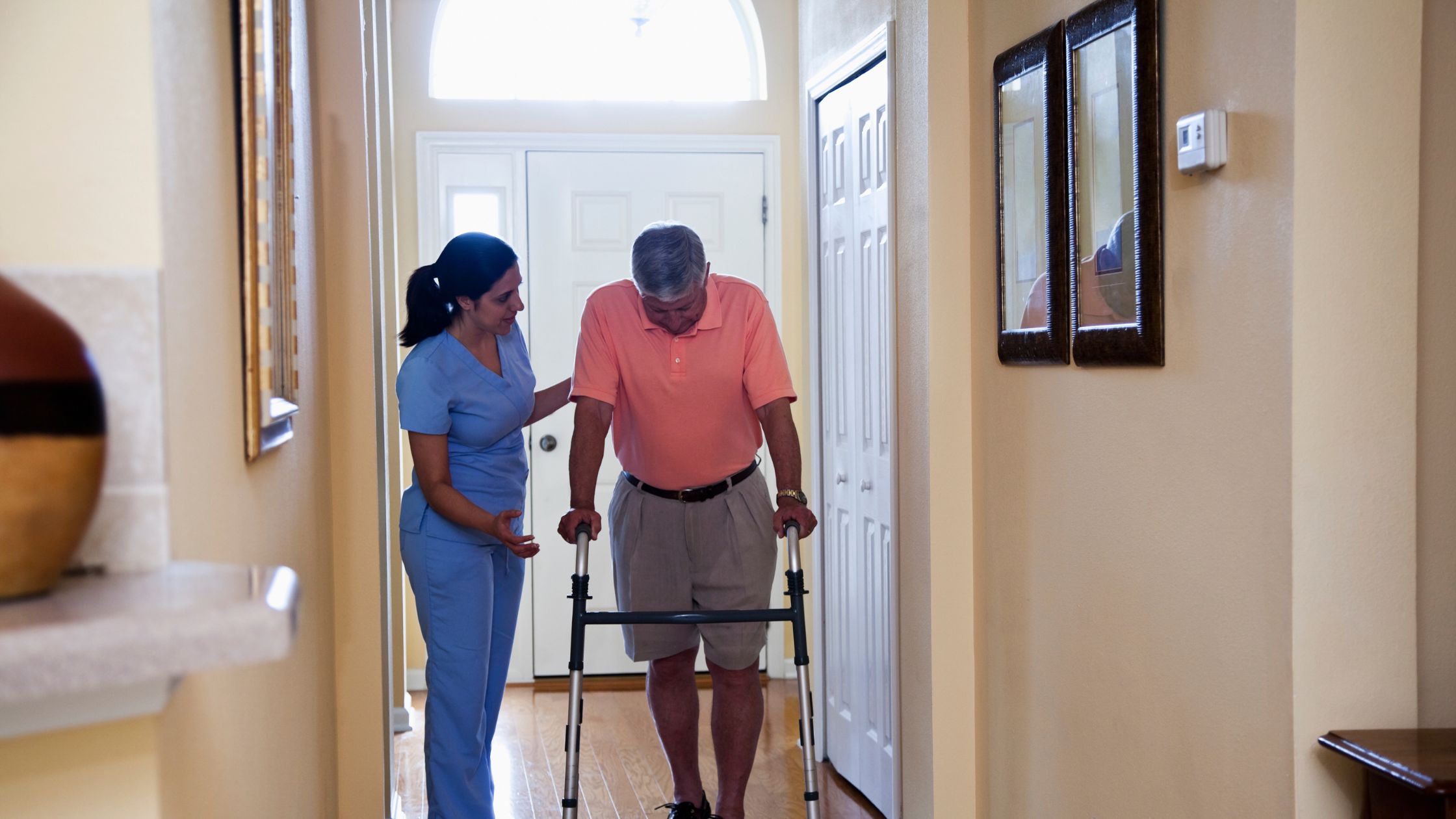
In the vast, complex landscape of healthcare, compassionate care is the guiding star that all service providers strive to follow. Home Health Aides (HHAs) are the unsung heroes of this narrative, embodying compassion on a daily basis as they serve the growing demographic of in-home care patients.
Establishing a flourishing career in the realm of home health care begins with a solid foundation in the practical and emotional aspects of patient service. This is where hha certificate holds its value. If you yearn to pursue a path of service, support, and personal growth, a career as an HHA could be your calling. Here’s how to start charting your course.
Understanding the Role
At its core, the job of an HHA is to provide personalized, non-medical care to patients in the comfort of their own homes. This can encompass a broad range of support, including personal hygiene, meal preparation, light housekeeping, and even essential health monitoring under the supervision of a nurse or other clinical professional.
What distinguishes an exceptional HHA is the ability to build rapport with their patients. These relationships often develop into deep, lasting connections, as HHAs become a consistent and trusted presence in their patients’ lives.
The Value of Certification
HHA certification is the bridge that transforms an individual with the will to serve into a competent and qualified caregiver. It is a formal indicator of your dedication to excellence in the field of home health care, recognized by employers as a requisite for employment and an assurance to patients of your commitment to their well-being.
Earning your HHA certification is more than a mandated pre-requisite; it’s a professional milestone. It demonstrates that you have acquired the knowledge and skills necessary to succeed, setting the stage for a fulfilling and esteemed career in healthcare.
How to Obtain HHA Certification
The process of obtaining your HHA certification is a step-by-step endeavor that demands both time and thoughtful effort. Each state in the U.S. has its specific requirements, but the general framework typically involves:
Completing a state-approved 75-hour training program, covering topics such as patient care techniques, infection control, and maintaining patient health and safety.
Participating in at least 16 hours of supervised practical training in a clinical setting, where you can apply the theory you’ve learned in a real-world context.
Passing a competency evaluation exam, which typically includes a written portion and a timed skills demonstration.
Choosing the Right Training Program
Selecting a training program is a critical choice that can significantly influence your success as an HHA. It’s essential to choose a program that aligns with your learning style and career goals. Consider the following factors when making your decision:
Accreditation: Ensure the program is accredited by the state’s Department of Health or another relevant regulatory body.
Curriculum: Look for a comprehensive curriculum that addresses all the key areas of HHA care, including the emotional and psychological support of patients.
Hands-On Experience: Practical experience is invaluable. Look for a program that offers a substantial clinical component.
Cost and Location: Practical matters matter too. Find a program that is both affordable and conveniently located, lest logistical challenges become a barrier to your certification.
Reviews: Seek opinions from current and former students to gauge the program’s reputation and quality.
The Path to Compassionate Care
Empathy and communication are the cornerstones of compassionate care, and the curriculum of an HHA training program should bear emphasis on these qualities. The ability to listen actively, understand non-verbal cues, and provide emotional support to patients and their families is just as important as the technical skills you’ll acquire.
In your pursuit of a meaningful career in home health care, recognize that each patient is a unique individual with their personal story and needs. Strive to cultivate a compassionate heart as you study and prepare to serve.
The Impact of Technology in HHA Certification
Like most industries, healthcare is not immune to the influence of technology. In the context of HHA certification, technology can enhance the learning process, introduce innovative care techniques, and even be a medium through which the emotional well-being of patients can be addressed.
Online platforms, simulations, and virtual reality (VR) experiences are becoming more prevalent in HHA training. They offer a bridge between the classroom and real-world caregiving, simulating scenarios to develop your responses and skills in a controlled environment.
Real-World Application
The classroom is where knowledge is imparted, but it’s in the field that your learning comes to life. Seek out volunteer opportunities or entry-level positions in healthcare settings to begin applying what you learn. Every interaction is a chance to refine your approach and deepen your understanding of compassionate care.
Don’t underestimate the value of these early experiences. They will shape the practitioner you become and set you apart as a professional dedicated to excellence.
Nurturing Your Personal Growth
Becoming an HHA is more than an academic pursuit; it’s a personal quest for growth. The role will challenge you physically and emotionally, but it will also offer immense opportunity for self-discovery and self-improvement.
Approach your training with an open mind, ready to absorb the wealth of knowledge available to you. Be curious, ask questions, and be proactive in your development. Your personal growth will not only enrich the lives of your patients but will also propel your career forward.
Future Trends in Home Health Care
As the demographics of aging populations continue to grow, the demand for HHAs will follow suit. Looking ahead, the field of home health care is forecast to expand dramatically, offering ample opportunities for dedicated professionals. Furthermore, the role of HHAs is evolving to include more complex care tasks, making the need for thorough training and certification even more critical.
Stay abreast of industry developments and trends. Continuous education and staying updated with the latest practices will ensure that you remain at the forefront of your field, ready to meet the challenges of an evolving healthcare landscape.
Your Journey Begins Now
Your career as a Home Health Aide is more than a job; it’s a calling. As you chart your course toward HHA certification, keep your passion for service and the well-being of others at the forefront. Take each step with intention, and know that your hard work and dedication will make a tangible difference in the lives of those you care for.
I encourage you to start your journey today. Reach out to local healthcare agencies, research accredited training programs, and begin the process of becoming an HHA. The road may be long, but the rewards of a career in caring for others are immeasurable.
Compassion is not a task that can be checked off a list; it’s a quality that must be cultivated and continually nurtured. With an HHA certification, you’ll possess the tools to provide compassionate care in the most vulnerable and significant moments of your patients’ lives.
Now, more than ever, the world needs caregivers like you. It is your skills, your heart, and your commitment that will not only open the doors to a fulfilling career but will also ensure that those you care for are treated with the kindness and respect they deserve. I wish you the best in this noble pursuit and am confident that you will find great fulfillment in the path you have chosen.