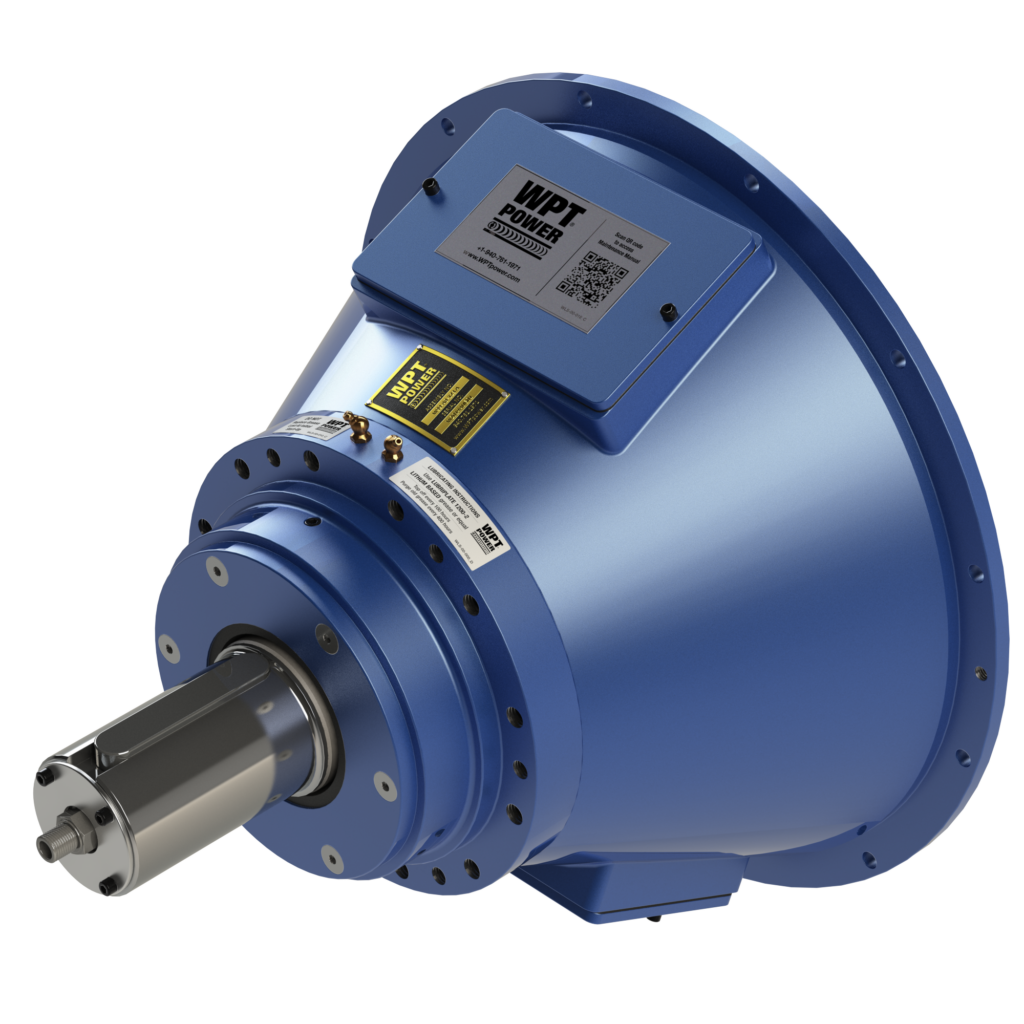
When it comes to maximizing the functionality and versatility of your work vehicle, installing a power take-off (PTO) unit can be a game-changer. A power take-off unit allows you to harness the engine’s power to operate auxiliary equipment, such as hydraulic pumps, air compressors, and generators. However, with various types and configurations of PTO units available, choosing the right one for your specific needs can be overwhelming. In this article, we’ll guide you through the essential factors to consider when selecting a power take-off unit for your vehicle.
Understanding the Basics of Power Take-Off Units
Before diving into the selection process, it’s crucial to understand the basics of how power take-off units work. A PTO unit is a mechanical device that connects to your vehicle’s transmission or transfer case, allowing it to transfer power from the engine to an attached piece of equipment. There are two main types of PTO units:
- Transmission-mounted PTOs
- Split-shaft PTOs
Transmission-mounted PTOs are the most common type and are typically used in medium and heavy-duty trucks. They are mounted directly to the transmission and are engaged using a cable or air-shift system. Split-shaft PTOs, on the other hand, are mounted between the transmission and the drive shaft and are commonly used in light and medium-duty trucks.
Factors to Consider When Choosing a Power Take-Off Unit
When selecting a power take-off unit for your vehicle, there are several key factors to consider to ensure you choose the right one for your needs.
Application and Equipment Requirements
The first step in choosing a PTO unit is to determine the specific application and equipment you’ll be using it for. Different types of equipment have varying power and torque requirements, so it’s essential to select a PTO unit that can handle the demands of your specific application. Common applications for PTO units include:
- Hydraulic pumps for dump trucks, tow trucks, and snow plows
- Air compressors for utility trucks and service vehicles
- Generators for mobile power supply and emergency response vehicles
Vehicle Compatibility
Not all power take-off units are compatible with every vehicle, so it’s crucial to ensure that the PTO unit you choose is designed to work with your specific make and model. Factors to consider include:
- Transmission type (automatic or manual)
- Mounting location (transmission or split-shaft)
- Gear ratios and torque capacity
Consult with a qualified PTO supplier or your vehicle’s manufacturer to determine the appropriate PTO unit for your vehicle.
Engagement Method
Power take-off units can be engaged using various methods, including:
- Cable-shift
- Air-shift
- Hot-shift (electrically engaged)
The engagement method you choose will depend on your specific application and personal preference. Cable-shift PTOs are the most basic and affordable option, while air-shift and hot-shift PTOs offer more convenience and smoother engagement.
Horsepower and Torque Requirements
When selecting a PTO unit, it’s essential to choose one that can deliver the necessary horsepower and torque to operate your equipment effectively. Factors to consider include:
- The power requirements of your specific equipment
- The operating speed and gear ratio of the PTO unit
- The engine’s horsepower and torque output
Work with a qualified PTO supplier to determine the appropriate horsepower and torque requirements for your application.
Quality and Durability
Investing in a high-quality, durable power take-off unit is essential to ensuring reliable performance and long-term value. Look for PTO units from reputable manufacturers that offer:
- Heavy-duty construction and materials;
- Proven performance and reliability
- Comprehensive warranties and customer support
Installation and Maintenance Considerations
Once you’ve chosen the right power take-off unit for your vehicle, it’s essential to ensure proper installation and maintenance to maximize its performance and longevity. Key considerations include:
- Professional installation by a qualified technician
- Regular lubrication and inspection of the PTO unit and related components
- Proper operation and engagement of the PTO unit as per the manufacturer’s guidelines
- Timely repairs and replacements of worn or damaged components
It is possible to guarantee dependable and effective operation from your power take-off unit for many years to come by adhering to these installation and maintenance best practices.
Conclusion
Choosing the right power take-off unit for your vehicle is a critical decision that can significantly impact the functionality and versatility of your work vehicle. By considering factors such as application requirements, vehicle compatibility, engagement method, horsepower and torque needs, and quality and durability, you can select a PTO unit that meets your specific needs and delivers reliable performance. With proper installation and maintenance, a well-chosen power take-off unit can be a valuable asset for your work vehicle, allowing you to tackle a wide range of tasks with ease and efficiency.