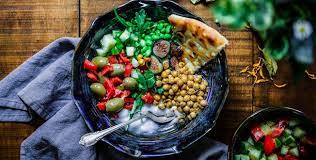
As a student, maintaining a healthy diet is crucial for overall well-being and academic performance. For Muslim students, adhering to a halal diet adds an extra layer of consideration when it comes to food choices. Fortunately, there are a variety of halal healthy food options available that are not only nutritious but also delicious. This article will explore some of these options and provide insights into how students can make informed choices to support their dietary needs.
The Importance of Halal Food
Halal food refers to items that are permissible for consumption according to Islamic law. For Muslim students, consuming halal food is not just a matter of preference but a religious obligation. It involves avoiding certain ingredients such as pork and alcohol, as well as ensuring that meat has been prepared in accordance with Islamic practices. By choosing halal food, students can uphold their faith while also prioritizing their health.
Halal food ensures that Muslim students are adhering to their religious beliefs by consuming food that is considered pure and permissible in Islam. This not only helps them fulfill their religious obligations but also allows them to maintain a healthy lifestyle.
Halal healthy food caters to health-conscious individuals, emphasizing fresh, wholesome ingredients free from harmful additives and preservatives.
By being mindful of what they eat and opting for halal options, students can nourish their bodies while staying true to their faith. It’s a way for them to practice mindfulness and discipline in their daily lives, promoting overall well-being and spiritual fulfillment.
Healthy Halal Food Choices
When it comes to selecting healthy halal food options, students have a range of choices available to them. Fruits and vegetables are essential components of a balanced diet and are naturally halal. Incorporating a variety of colorful fruits and vegetables into meals can provide essential vitamins and minerals to support overall health.
In addition to fruits and vegetables, students can also choose from a variety of whole grains, lean proteins, and dairy products to create healthy and halal meals. Whole grains such as brown rice, quinoa, and whole wheat bread provide fiber and energy, while lean proteins like chicken, fish, and legumes offer essential nutrients for muscle growth and repair. Dairy products such as milk, yogurt, and cheese are good sources of calcium for strong bones and teeth.
By combining these food options in different ways, students can enjoy a diverse and nutritious diet that meets their halal requirements while promoting their overall well-being. Planning meals ahead of time and preparing them at home can also help students make healthier choices and avoid the temptation of fast food or unhealthy snacks. With a little creativity and effort, students can easily incorporate a wide variety of halal foods into their daily meals and snacks to stay healthy and energized throughout the day.
Protein Sources
Protein is an important macronutrient that is necessary for growth and repair. For halal-conscious students, sources of halal protein include lean meats such as chicken, turkey, and lamb. Plant-based options like beans, lentils, and tofu are also excellent sources of protein that align with halal dietary guidelines.
Consuming halal protein sources ensures that students are adhering to Islamic dietary laws, which prohibit the consumption of non-halal meat such as pork. By including halal protein in their diet, students can meet their nutritional needs while staying true to their religious beliefs. Additionally, choosing lean protein sources can help students maintain a healthy and balanced diet.
Whole Grains
Whole grains are another essential component of a healthy diet. Foods like brown rice, whole wheat bread, and quinoa provide fiber, vitamins, and minerals that are beneficial for overall well-being. These options are not only nutritious but also halal, making them ideal choices for students looking to maintain a balanced diet.
Whole grains are an important part of a healthy diet. Foods like brown rice, whole wheat bread, and quinoa are rich in fiber, vitamins, and minerals, which are beneficial for overall health. These options are not only nutritious but also halal, making them perfect choices for students who want to follow a balanced diet.
Healthy Snack Ideas
For students on the go, having access to healthy snacks is essential. Nuts, seeds, and dried fruits are convenient options that are not only halal but also packed with nutrients. Greek yogurt, hummus, and whole grain crackers are also great choices for quick and satisfying snacks that can help students stay energized throughout the day.
Additionally, fresh fruits such as apples, bananas, and oranges are portable and provide a natural source of energy. Granola bars, rice cakes, and popcorn are other convenient snacks that can be easily carried in a backpack or purse. It’s important for students to choose snacks that are not only tasty but also provide the necessary nutrients to fuel their bodies and minds for long days of learning and studying. By having a variety of healthy snack options readily available, students can maintain their focus and concentration, leading to better academic performance and overall well-being.
Tips for Making Healthy Choices
When navigating the dining hall or grocery store, there are several tips that students can keep in mind to make healthy halal choices. Reading labels carefully, opting for fresh produce, and preparing meals at home are effective strategies for ensuring that food meets both halal and health standards. Additionally, seeking out halal-certified establishments can provide students with peace of mind when dining out.
Students can also consider meal prepping to have healthy halal options readily available throughout the week. Choosing whole grains, lean proteins, and plenty of fruits and vegetables can help create a balanced and nutritious halal diet. By being mindful of their choices and planning ahead, students can easily maintain a healthy halal lifestyle both on and off campus.
Conclusion
In conclusion, exploring halal healthy food options for students involves a combination of mindful choices and informed decision-making. By prioritizing whole foods, lean proteins, and nutritious snacks, students can maintain a balanced diet that aligns with their halal dietary requirements. With a variety of options available, it is possible for students to enjoy delicious and nutritious meals while upholding their faith and supporting their well-being.