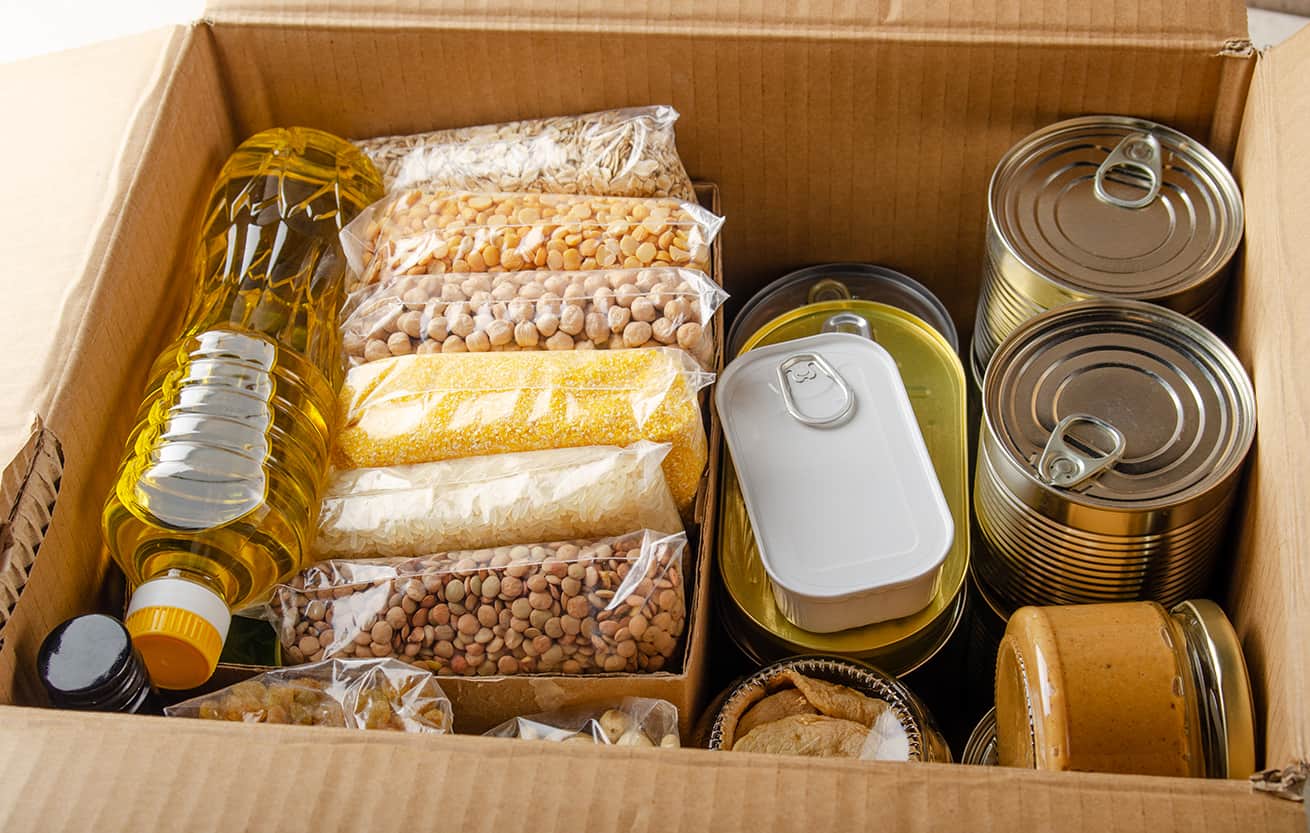
In an unpredictable world, preparedness is the key to facing emergency situations with clarity and calm. Be it a natural disaster, a pandemic, or any significant crisis that disrupts our regular access to food, having an emergency stockpile can be a life-saver. But where to start, and what are the food essentials to have in your storage? This comprehensive guide will walk you through the steps of building an emergency food supply that’s not only functional but also cost-effective and thoughtful.
Understanding the Essentials
Before you jump into buying canned goods, it’s crucial to understand what the essentials of emergency food truly are. Your aim is to gather supplies that are non-perishable, require minimal to no cooking preparation, and provide the necessary nutrients to sustain you and your family for an extended period.
Focusing on high-calorie, high-nutrient items like proteins, complex carbohydrates, and healthy fats is essential. This means canned meats, legumes, grains, and nuts should form the backbone of your stockpile. Additionally, it’s wise to include vitamin supplements and electrolyte-rich drinks to maintain health and energy levels.
Remember, the goal is to maintain your daily caloric needs, which can range from 1,500 to 2,500 calories depending on age, sex, and physical activity levels. Your stockpile should be diverse enough to prevent food fatigue, which is common in long-term emergency situations when you’re consuming the same limited range of foods every day.
The Prep Work
Building an emergency food supply is not a sprint, it’s a marathon. Here’s a step-by-step approach to make the process smooth and stress-free:
Take an Inventory of Your Regular Pantry
Start by evaluating what you already have. Look for items that can be added to your emergency supply, such as canned goods, dry grains, and shelf-stable products that might be on sale. This assessment prevents you from buying duplicate items and ensures your everyday pantry doesn’t go to waste.
Set Specific Goals
Decide how long you want your emergency food supply to last. Many experts recommend a three-month stockpile, but the duration can vary depending on personal circumstances. Keep your budget, storage space, and family size in mind when setting these goals.
Calculate Your Needs
Once you’ve determined how long you want your supply to last, calculate the required quantities of each item to meet your nutritional needs. Online calculators can be helpful tools for this task, but as a rule of thumb, you typically need around 1 pound of food per person per day.
Make a List
With quantities in mind, create a shopping list before heading out to buy the items for your stockpile. Categorize your list by food group (proteins, grains, fruits/veggies, etc.) to make shopping more efficient.
Selecting the Right Food Items
Your stockpile should be filled with foods that are shelf-stable, high in nutrients, and provide balance. Here are the categories of food that are essential for your emergency supply:
Grains
Stock up on items like rice, pasta, and oats. These are versatile, high in calories, and can serve as a base for many meals. Make sure you store them in airtight containers to maintain freshness.
Proteins
Canned meats like tuna, chicken, and beef are valuable protein sources. Additionally, beans, lentils, and peanut butter are affordable and long-lasting options. They’re also packed with fiber and essential vitamins.
Fruits and Vegetables
Canned or dried fruits and vegetables will provide the necessary vitamins and fiber. Opt for products with no added sugars and minimal preservatives.
Dairy and Alternatives
Powdered milk and shelf-stable milk substitutes are good sources of calcium and vitamin D. Include these in your stockpile, especially if you have children.
Fats and Oils
Oils don’t come to mind first when we think of emergency food, but they’re essential for cooking and maintaining a balanced diet. Choose vegetable oils such as olive oil or coconut oil that have a long shelf life.
Extras
Stockpile items like salt, sugar, and spices to make your emergency meals taste more like ‘home’. Honey is a natural sweetener with anti-bacterial properties and a long shelf life – another good addition to your extras section.
Storage and Rotation
Proper storage is just as important as what you store. Here’s how to ensure the longevity of your stockpile:
Keep it Cool, Dry, and Dark
Ideal storage for most emergency foods is a consistently cool environment, away from sunlight and moisture. A basement or closet can be good choices, as long as they do not experience extreme temperature changes.
Use Shelf-Stable Packaging
The packaging of your stored food can make a significant difference in how long it lasts. Glass is airtight and doesn’t degrade, but it’s also heavier and more prone to breaking. High-quality plastic and metal cans can also be effective.
FIFO (First in, First Out)
Practice rotating your stockpile by consuming and replacing the oldest items with new purchases. Label each item with the purchase date, so you know what to use first. This avoids waste and ensures that the quality of your stock remains high.
Maintaining Your Stockpile
An emergency food supply isn’t a set it and forget it asset. It requires regular maintenance to ensure that the food is safe to eat in case of an emergency. Here’s how to keep up with your stockpile efficiently:
Regular Inspections
Check on your stockpile every few months to make sure there are no signs of spoilage, pests, or damage to packaging. Replace any compromised food immediately.
Best By Dates
While these dates are a good guideline, many non-perishable foods can last well beyond them. Use your judgment, and the smell and taste tests, to determine if something is still safe to consume.
Use Your Stockpile Appropriately
Only access your emergency food supply in actual emergencies. Stick to your regular pantry and meal planning for everyday meals to ensure that your stockpile remains intact and ready if required.
Advanced Preparations
As you become more proficient in emergency food storage, there are a few more advanced steps you might consider taking.
Food Preservation
Learning the basics of food preservation, like canning or dehydrating, can expand the range of foods you can store for long periods.
Garden and Livestock
Another step is to begin growing your own food through a garden or raising your poultry. This can significantly reduce the need for large food stockpiles.
Equipment and Non-Food Necessities
In addition to food, make sure you have the necessary equipment and non-food items ready in case of emergency. This includes water, a can opener, utensils, matches, a stove, and other tools that may be required during power outages or when traditional utilities are not available.
Conclusion:
Emergency food preparation doesn’t have to be daunting. By starting early, making smart choices, and maintaining your stockpile, you can ensure that you and your family are ready for whatever the future holds. Remember that preparedness is a continuous effort, and your emergency supply should evolve as your needs and situation change. Stay safe and prepared, and may you never need to dip into your carefully planned emergency food stash