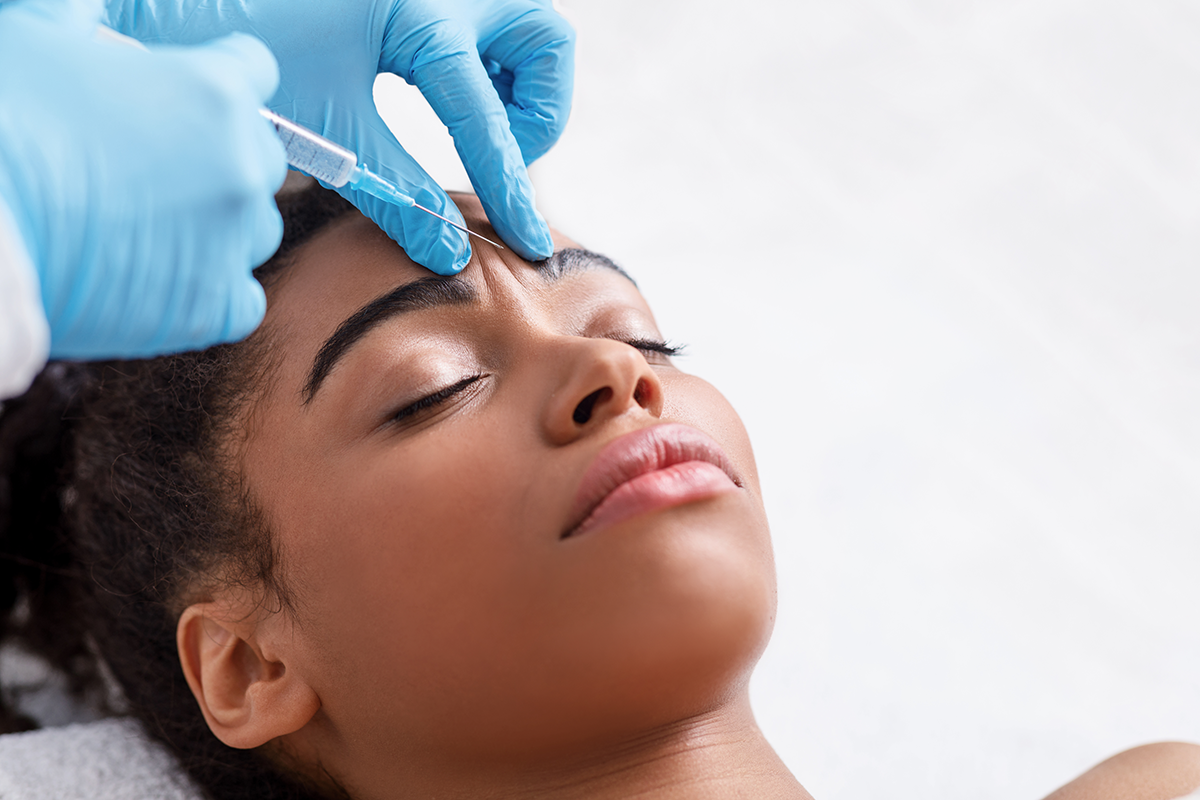
While “Botox” is often used as a catch-all term for wrinkle-relaxing injections, it’s a brand name for one specific product type. There are several FDA-approved injectable neurotoxins available, each with slight variations and types of botox.
What is a Neurotoxin?
Neurotoxins are purified proteins that block the signals between nerves and muscles. In the world of aesthetics, they’re used to temporarily relax muscles, reducing the appearance of wrinkles caused by facial expressions.
Types of Neurotoxins:
- Botox Cosmetic (onabotulinumtoxinA): The original and most well-known brand. It’s a good all-rounder for treating moderate to severe wrinkles.
- Dysport (abobotulinumtoxinA): Known for having a wider area of diffusion, which can be beneficial for treating larger areas or for creating a more subtle, diffused look.
- Xeomin (incobotulinumtoxinA): Contains a highly purified form of the neurotoxin, free of additives. Some patients find it less likely to cause resistance compared to other brands.
- Jeuveau (prabotulinumtoxinA): The newest FDA-approved option, with similar effects to Botox.
Choosing the Right Option:
The best type of neurotoxin for you will depend on several factors, including:
- Your desired outcome: Are you looking for a targeted approach or a broader effect?
- Your anatomy: The placement of your muscles can influence which product works best.
- Your budget: Costs can vary slightly between brands.
Additional Considerations:
- Dosage: The amount of neurotoxin used will also be tailored to your individual needs and desired results.
- Duration of Effects: The effects of neurotoxin injections typically last 3-4 months, but this can vary depending on the product used and individual factors.
- Side Effects: All neurotoxin injections can cause side effects, though these are usually mild and temporary. The most common side effects include injection site bruising, redness, swelling, and headache.
Consultation is Key
A consultation with a qualified healthcare professional is essential for discussing your goals and determining the most suitable neurotoxin for you. They can assess your individual needs, explain the different options, and answer any questions you may have.
Remember:
- Botox is a brand name, not the only type of neurotoxin available.
- Each option has its own subtle differences in terms of diffusion area, potential for resistance, and cost.
- A consultation with a qualified professional is crucial for making an informed decision about which type of neurotoxin is right for you.
Beyond Aesthetics: Therapeutic Uses of Neurotoxins
While neurotoxin injections are most commonly used for cosmetic purposes, they also have a variety of therapeutic applications. These include:
- Chronic migraines
- Hyperhidrosis (excessive sweating)
- Cervical dystonia (neck muscle spasms)
- Overactive bladder
- Lazy eye (strabismus)
Safety First: Choosing a Qualified Professional
Choosing a qualified healthcare professional experienced in neurotoxin injections is crucial for optimal results and safety. Look for someone who:
- Is board-certified in dermatology, plastic surgery, or facial plastic surgery.
- Has extensive experience with neurotoxins and a proven track record.
- Take the time to understand your goals and concerns during a consultation.
- Employs proper sterile techniques and uses FDA-approved products.
By understanding the different types of neurotoxins, advanced techniques, and the importance of choosing the right professional, you can confidently embark on your journey to a more refreshed and youthful appearance.
If you’re considering neurotoxin injections for either cosmetic or therapeutic purposes, be sure to consult with a qualified healthcare professional to discuss your options and ensure it’s the right treatment for you.